The Art of Glass Packaging: Transforming Your Brand Using Sustainable Glass Bottles
The art of glass packaging offers brands a distinctive pathway to stand out. Through sustainable practices, glass bottles elevate brand aesthetics and connect with sustainability-minded shoppers. Their intrinsic properties, encompassing recyclability and material safety, demonstrate a steadfast commitment to excellence. As brands navigate this evolving landscape, grasping the diverse advantages and obstacles of glass packaging is critical for sustained growth. What innovative strategies are brands employing to maximize these advantages?
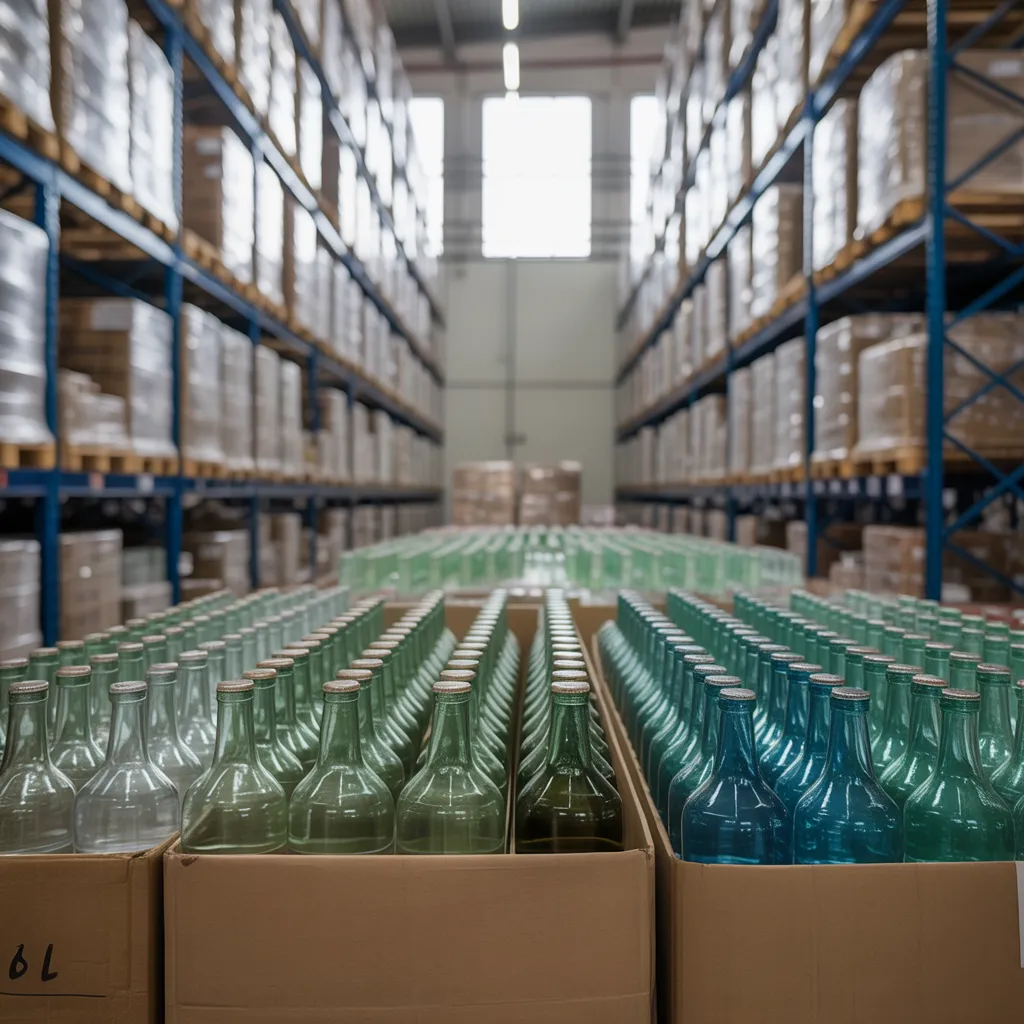
Why Choose Glass Packaging for Your Brand
Opting for glass packaging can greatly enhance a brand's image and eco-friendly commitments. Brands that opt for glass demonstrate a commitment to quality and premium experiences, attracting selective buyers who value both visual and practical qualities. Glass offers a timeless and elegant appearance, strengthening a brand's visual presence while offering a tactile experience that synthetic materials fail to replicate.
Furthermore, glass packaging conveys an impression of purity and safety, as it is free from toxic substances commonly present in plastic materials. This selection can engage eco-aware shoppers who connect glass with ethical choices. Additionally, its resilience permits repeated utilization, additionally affirming a brand's devotion to sustainable principles.
In an industry placing greater emphasis on sustainability, adopting glass packaging can differentiate a brand fostering lasting loyalty and boosting customer confidence. At its core, this deliberate decision places brands at the forefront of eco-conscious innovation and quality, reflecting contemporary consumer expectations.
The Environmental Benefits of Glass Bottles
Glass containers provide substantial environmental benefits that set them apart from competing packaging solutions. They are fully recyclable, supporting a sustainable economy where materials can be reused indefinitely without degradation in quality. This characteristic significantly minimizes the reliance on raw materials, thereby minimizing natural resource extraction and energy consumption associated with the production process.
Furthermore, glass packaging is chemically stable, meaning it does not seep toxic substances into its stored materials, ensuring healthier consumption. In contrast to plastic, glass does not contribute to microplastic pollution, which is a growing environmental issue.
The manufacturing of glass bottles also generates reduced greenhouse gas emissions when compared to plastic. Thanks to innovations in manufacturing processes, energy efficiency has been greatly enhanced, additionally minimizing the environmental impact associated with producing glass.
Creative Designs That Elevate Glass Packaging
Unique aesthetics in glass packaging are transforming how items are presented. Unique shapes and structures not only boost practicality but also capture buyer interest. Moreover, striking color combinations further elevate the aesthetic appeal, making glass containers stand out on shelves.
One-of-a-Kind Shapes and Structures
Creative concepts in glass-based packaging not only enhance aesthetic appeal but also fulfill an important purpose in distinguishing brands from competitors. Original shapes and configurations can generate lasting impressions on consumers, allowing products to rise above the competition on packed product displays. To illustrate, irregularly shaped bottles or angular designs can spark interest and invite engagement. These unconventional forms often correspond with a brand's core values, supporting its overarching mission and beliefs. Beyond that, original designs can boost practicality, such as more convenient gripping or optimized pouring. Organizations that embrace creative glass packaging solutions convey a devotion to craftsmanship and eco-consciousness, engaging environmentally responsible shoppers. Through emphasizing creativity in their packaging choices, brands can cultivate more meaningful relationships with consumers, ultimately driving loyalty and enhancing market presence.
Attention-Grabbing Color Palettes
Vibrant color palettes play an essential role in improving glass container aesthetics, converting standard bottles into captivating visual expressions. By utilizing a deliberate combination of shades, businesses can inspire sentiment and deliver unforgettable moments for buyers. Bold colors can signify premium quality, while softer tones may convey delicacy and sophistication.
Additionally, the incorporation of gradient and multi-tone aesthetics creates depth and visual interest, commanding attention on competitive shelves. Sustainable practices further enhance the appeal; sustainable dyes and finishes appeal to environmentally aware consumers. Ultimately, the ideal color palette not only embodies a brand's character but also strengthens its dedication to sustainability, positioning glass packaging as a compelling differentiator in a competitive marketplace.
In What Ways Does Glass Packaging Improve Product Perception?
Glass packaging notably improves product review article perception with its premium aesthetic and tactile quality, instilling a sense of elegance in consumers. The inherent transparency and optical clarity of glass offer consumers an unrestricted look at the product, solidifying the product's quality appeal. Furthermore, glass packaging supports environmentally responsible brand values, resonating with eco-minded consumers.
Luxurious Feel And Appeal
The incorporation of glass packaging significantly enhances the recognized quality of a product, often associating it with quality and elegance. Consumers frequently associate glass with luxury, leading to enhanced brand loyalty and positive consumer experiences. The sensory quality of glass, with its refined surface and heft, establishes a high-end impression that plastic fails to reproduce. This experiential connection builds a relationship between the product and the consumer, nurturing an impression of excellence. Additionally, glass packaging conveys a commitment to sustainability, appealing to sustainability-minded customers. Consequently, businesses employing glass containers can present themselves as higher-end alternatives within their markets, appealing to thoughtful consumers who value both aesthetics and ethical considerations in their buying choices.
Clear Visual Transparency And Precision
When consumers encounter products in glass containers, their experience is commonly improved by the inherent visual transparency and clarity it provides. This transparency allows potential buyers to see the product inside, building a feeling of confidence and genuineness. The transparency of glass not only displays the product's excellence but also emphasizes its hue and texture, elevating the overall visual experience. Furthermore, the lack of label obstructions on transparent glass lets the product become the focal point, creating a more engaging shopping experience. Glass vessels can uplift brand standing by expressing a devotion to quality and skill. This see-through quality ultimately guides customer determinations, promoting a more profound personal relationship with the item and the brand.
Environmentally Conscious Brand Positioning
Environmentally aware brands leverage glass containers to solidify their pledge to environmental responsibility, successfully elevating how products are perceived. Glass communicates an impression of quality and refinement, setting a higher standard compared to plastic alternatives. This substance not only underscores the green values of a brand but also appeals to consumers who prioritize environmentally responsible choices. The sensory quality of glass—its density and surface—further amplifies the perceived premium nature of the product. Furthermore, the recyclable nature of glass corresponds with the increasing consumer appetite for sustainable habits, strengthening consumer allegiance. By choosing glass, brands not only showcase their dedication to the environment but also position their products as premium offerings, thereby cultivating a positive image in a competitive marketplace.
How Brands Are Winning With Glass Packaging
Many companies are thriving by embracing glass packaging, highlighting its attractiveness to buyers and pledge to sustainable practices. As an example, a well-known beverage company transitioned to glass bottles, resulting in a 30% increase in sales within a year. The transition not only improved product visibility on shelves but also appealed to eco-conscious consumers, solidifying the brand's sustainability message.
One other cosmetic company successfully changed to glass packaging, considerably boosting its luxury brand perception. This transition brought in a loyal customer base who appreciates both aesthetics and environmental responsibility. Furthermore, an artisan brewery embraced reusable glass containers, cultivating consumer trust and decreasing environmental impact. These case studies illustrate that glass materials not only fulfill customer expectations for sustainable options but also reinforces brand recognition and competitive standing. Such thoughtful selections highlight an emerging pattern among businesses striving to align their operations with sustainable practices while appealing to modern consumers.
Ways to Address Challenges in Glass Packaging
Managing the challenges of glass packaging requires forward-thinking solutions and a deep understanding of the market. Businesses often face issues such as costly production processes, heavy material considerations, and breakability. To tackle these, companies can invest in advanced manufacturing techniques that reduce waste and boost structural resilience. Collaborating with suppliers to procure sustainable resources also minimizes environmental consequences while resonating with sustainability-minded consumers.
Another challenge concerns the complexities of shipping, given glass's weight. Adopting intelligent logistics strategies, encompassing improved shipping methods and efficient packaging solutions, can help minimize costs and guarantee product safety during transit. Furthermore, informing customers about the advantages of glass compared to plastic can build brand loyalty and stimulate demand. By implementing these methods, companies can surmount challenges in glass packaging and distinguish themselves as innovators in eco-friendly practices, thereby strengthening their brand reputation and market standing.
Upcoming Trends in Sustainable Glass Packaging
As the demand for sustainable packaging continues to rise, the glass packaging industry is poised for transformative changes. Advancements in production methods are anticipated to improve energy performance, minimizing the carbon emissions tied to glass production. Furthermore, the adoption of lightweight glass bottles will emerge as a key trend, reducing shipping emissions while preserving product quality.
Recycling initiatives will become more robust, with increased collaboration between manufacturers and municipalities to advance glass recovery and handling. Additionally, the incorporation of intelligent technology within packaging will facilitate improved clarity throughout the supply chain, empowering companies to highlight their environmental commitments with impact.
The rising consumer appetite for environmentally conscious products will continue to fuel the growth of customizable, aesthetically pleasing designs, blending practicality with aesthetic charm. With sustainability becoming a top priority for brands, the glass packaging industry is poised to transform its strategies, harmonizing with global sustainability targets while fulfilling the needs of an eco-conscious audience.
Common Questions and Answers
What Are the Financial Differences Between Glass Packaging and Plastic?
Glass packaging commonly involves higher costs due to production, distribution, and recycling demands relative to plastic packaging. Nevertheless, it delivers environmental advantages and improved brand image, making it a worthwhile investment for certain companies.
What Are My Options for Customizing Glass Bottles for My Brand?
Brands can customize glass containers by using unique shapes, colors, and finishes. Engraving, labeling, and printing designs enhance brand identity. Collaborating with suppliers guarantees consistency with sustainability goals while maintaining visual appeal and practicality.
What Specific Regulations Apply to Glass Packaging?
Yes, specific regulations for glass packaging exist, differing across regions. These include safety standards, labeling requirements, and recycling guidelines, guaranteeing consumer safety and environmental responsibility while promoting sustainable practices in packaging manufacturing and distribution.
What Are the Top Best Practices for Recycling Glass Bottles?
To recycle glass bottles effectively, individuals should wash them thoroughly to clear out any remaining contents, detach any lids or caps, and sort by color. In addition, they should consult local recycling guidelines for proper protocols and collection points to make certain they are processed appropriately.
In What Ways Does Glass Packaging Influence Shipping and Logistics?
Glass packaging significantly impacts shipping operations and logistics by introducing increased weight and fragility, demanding meticulous handling and dedicated transportation methods. This may result in elevated costs and more intricate supply chain management compared to lighter, more durable materials.
Comments on “consol bottles south africa services”